
For several weeks every year, Riyadh turns into one of the busiest entertainment destinations in the region. Concerts, championships, themed zones and pop-up experiences draw residents, Saudis from other cities and visitors from across the Gulf and beyond. For brands, that creates a rare combination: huge attention, a festive mood and people out spending. Effective Riyadh Season marketing isn’t about shouting louder than everyone else. It’s about understanding the season’s rhythm and showing up where your customers already are.
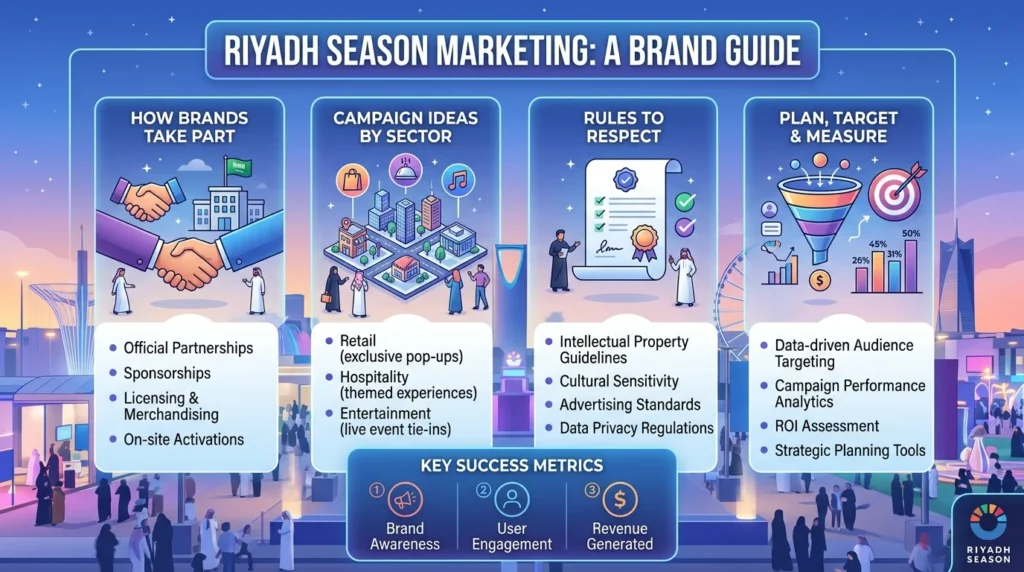
This playbook explains what Riyadh Season is, the main ways brands take part, campaign ideas for different sectors, the rules to respect and how to plan and measure. If you’d like support, see how mediaSine approaches digital marketing in Saudi Arabia.
What Riyadh Season Is?
Riyadh Season is an annual entertainment festival organised by the General Entertainment Authority as part of the wider Saudi Seasons programme. Since its first edition in 2019, it has grown into a city-wide calendar of zones, sporting events, concerts, theatre, dining and family attractions. Editions have typically started in October and run for several months.
The 2026 edition, the seventh, opened on 21 October under the “Big Time” banner, with a ten-week programme announced at launch. Its zones include returning favourites such as Boulevard World, Boulevard City and Wonder Garden, along with other destinations across the capital. Dates, zones and line-ups change every year, so always check the official announcements when planning.
Why Riyadh Season Marketing Matters?
The season concentrates attention in a way few periods do. People plan outings around events, share experiences heavily on Snapchat, TikTok and Instagram, and look for places to eat, shop and stay before and after their visits. Visitors from other Saudi cities and neighbouring countries add new audiences who may not know your brand yet.
That makes Riyadh Season a natural moment for seasonal campaigns in Saudi Arabia, especially for hospitality, food, retail, beauty, fashion, travel and entertainment brands. It also means competition for attention, creators and ad space rises sharply, so planning matters. Brands that prepare early tend to secure the best creators, the strongest locations and the most efficient ad costs, while late planners compete for whatever is left.
Four Ways Brands Take Part
Brands engage with the season at very different levels. Most choose one or two of these approaches.
Official partnerships and sponsorship
Large brands sometimes become official partners or sponsors of the season, specific zones or major events. This offers the highest visibility and the right to use official associations, but it involves formal agreements with the organisers and significant investment. If this route interests you, approach the organisers well before the season starts.
Presence inside the zones
Restaurants, cafés, retailers and experience brands can operate outlets, kiosks or pop-ups within season zones, subject to the organisers’ processes. A physical presence puts your brand directly in front of visitors and generates strong social content, but it requires operational planning, staffing and approvals.
Season-adjacent campaigns
Most brands take part without an official link. They create campaigns that connect to the season’s mood and moments: special menus for people heading to events, offers near popular zones, content about what to wear or where to eat, or extended opening hours. This is the most accessible route for small and medium businesses.
Content and creator coverage
Creators flock to the season, and their content drives much of the conversation. Partnering with licensed creators who are already covering events can bring your brand into that content naturally, whether it’s a restaurant before a concert or an outfit for a night out at the Boulevard.
Campaign Ideas by Sector
Good event marketing in Riyadh fits the brand and the moment. Here are ideas that suit common sectors.
Restaurants and cafés
Create pre-event and post-event menus, late-night offers on busy event nights or a “season special” dish. Target ads to people near major zones in the hours before events, and post content showing how close and convenient you are.
Fashion and beauty
Build “season looks” campaigns: outfits for concerts, family days out or winter evenings, and make-up for big nights. Short-form video with creators styling looks for specific events works well.
Hotels and travel
Package stays with event dates, promote to Saudis in other cities and Gulf visitors planning weekend trips, and partner with transport or experience providers to make planning easy.
Retail and services
Extend opening hours, run promotions timed around major events and offer delivery or pickup options for busy visitors. Telecom, banking and transport brands can focus on convenience: data, payments, parking and getting around.
Reaching Visitors From Outside Riyadh
The season draws Saudis from Jeddah, Dammam and other cities, plus visitors from Qatar, the UAE, Kuwait and further afield. For hotels, restaurants, retailers and experience providers, these visitors are a distinct audience: they plan trips in advance, search for things to do and places to eat, and often rely on social content and maps to decide. Target them before they travel, using location and interest targeting in their home cities, with content that helps them plan a weekend around events. Brands from Lebanon or Qatar can also use the season as a natural moment to introduce themselves to Saudi audiences, as long as their Riyadh Season marketing feels locally relevant rather than imported.
An Example: A Restaurant’s Season Plan
Picture a casual burger restaurant a short drive from one of the main season zones. Before the season opens, it designs a limited “Big Night” menu and books two licensed food creators for the first weeks. It then marks the season’s major concerts and matches on its calendar. On those nights, Snapchat and Instagram ads targeted to people near the zone run from late afternoon, promoting quick pre-event meals, while TikTok videos show the short trip from the restaurant to the venue. The kitchen stays open later on event nights, and staff ask customers whether they’re heading to or from the season. After ten weeks, the team compares sales on event nights with normal nights and with the same period the year before, and notes which events and messages worked best. This is an illustrative scenario, not a client example, but it shows how a small business can take part in Riyadh Season marketing without sponsorship.
Respecting the Rules
The season’s popularity brings rules worth respecting. Official names, logos and visual identity belong to the organisers, so don’t imply an official partnership you don’t have, and check before using protected branding. Any discounts must follow the Ministry of Commerce’s discount licensing rules, and creators who earn from promotional content need to be properly licensed, with clear advertising disclosure. Content filmed inside zones may also be subject to the organisers’ policies. When in doubt, ask before you publish. A campaign pulled mid-season because of a rules issue costs far more than a quick check upfront.
Planning Your Riyadh Season Marketing
The season moves fast, so preparation pays off.
Start early
Plan campaigns before the season launches: concepts, creative, creator bookings, any discount licenses and media budgets. Announcements of dates and line-ups often come only weeks before the opening, so prepare flexible creative you can adapt quickly.
Map your calendar to the season’s
Once line-ups are announced, mark the events and zone openings most relevant to your audience. Plan content and ads around them, with posts before, during and after key events. A shared calendar that lists event dates alongside your posts, ads and creator deliverables keeps everyone aligned when the season gets busy.
Budget for the peaks
Advertising costs and competition tend to rise around the biggest events and weekends. Rather than spreading budget evenly across the whole season, concentrate spend on the moments most relevant to your audience, and keep some flexibility to respond to surprise announcements or events that sell out quickly.
Use location and timing
Geo-targeted ads around popular zones and venues, scheduled for the hours before and after events, can reach people at the moment they’re deciding where to eat, shop or stay. Our guide to Snapchat ads covers location targeting in more detail.
Lead with short-form video
Riyadh Season lives on Snapchat, TikTok and Instagram. Plan vertical, native content that captures the energy of the season in a natural Saudi voice. Our guide to short-form video for Saudi audiences explains how to plan and produce it, and you can see how mediaSine runs social campaigns in the Kingdom.
Measuring Results
Set goals before the season starts. For awareness, track reach, video views and engagement among Riyadh audiences. For sales, track bookings, orders, store visits and use of season-specific codes. Compare performance with the weeks before the season and with the same period last year. After the season, review what worked so your next Riyadh Season marketing plan starts from evidence rather than guesswork.
For physical businesses, simple tools help connect online activity to real visits: season-specific promo codes, a question at checkout about how customers heard of you, and comparisons of Google Business Profile calls and direction requests during event weeks. These small data points turn your Riyadh Season marketing results into lessons you can use.
Common mistakes
The most frequent errors are planning too late, implying official links without permission, running unlicensed discounts, using generic content that could belong to any city, and spreading budget across the whole season instead of concentrating it around the moments that matter to your audience.
Make the Season Work for You
Successful Riyadh Season marketing combines early planning, a clear role for your brand and content that captures the season’s energy. Decide how you’ll take part, choose ideas that fit your sector, respect the organisers’ rules and licensing requirements, use location and timing well and measure what happens. Do that, and the city’s busiest weeks can become your brand’s best.
Plan a season campaign.
mediaSine helps brands plan and run seasonal campaigns in Riyadh and across Saudi Arabia, from creative and creators to targeting and reporting
Frequently Asked Questions
Start planning well before the season opens, ideally two to three months ahead, with flexible creative ready to adapt once dates and line-ups are announced.
You can generally reference the season in your own content, but avoid using official logos or implying official partnership without agreement. Check the organisers’ guidance if you’re unsure.
No. Small and medium businesses can benefit through season-adjacent campaigns, location-targeted ads, special offers and creator content, without official sponsorship.
Snapchat, TikTok and Instagram drive much of the conversation, with X useful for real-time event updates. Short-form video is central on all of them, with Arabic captions and a natural Saudi voice.
